

How Microdramas Make Money: Ads vs In-App Purchases
A practical guide to microdrama monetization models, comparing ad-supported viewing and coin-based in-app purchases so creators can match revenue strategy to story genre, audience, and market.
A Plot Party framework for understanding microdrama through four core emotional payoffs: warmth, the reveal, the reckoning, and being owed.
The traditional entertainment industry sorts these shows the way it sorts everything else: by plot. Werewolf. Billionaire. Mafia. Revenge. Amnesia. Secret baby. That's the shelf label — the thing you'd put in a catalog dropdown.
But that's not what the viewer is actually buying. Nobody falls into a midnight scroll because they're in the mood for lycanthropy. They keep watching because they want a specific feeling delivered on a specific schedule — and they'll tap "unlock next episode" until they get it.
Microdrama is a feelings business. And once you look at it that way, the thousands of titles collapse into just four core payoffs.
Two questions decide which feeling a show is selling.
Is the emotional relationship about love or power? Are we here for love, or for status, winning, and being seen?
Is the pull a reward or a payback? Are you tapping forward because something good is coming — the warmth of love or the thrill of a triumphant reveal — or because a wrong is going to be repaid — the ache of regret or the satisfaction of justice served?
Cross those two axes and you get the four quadrants that run the entire format.
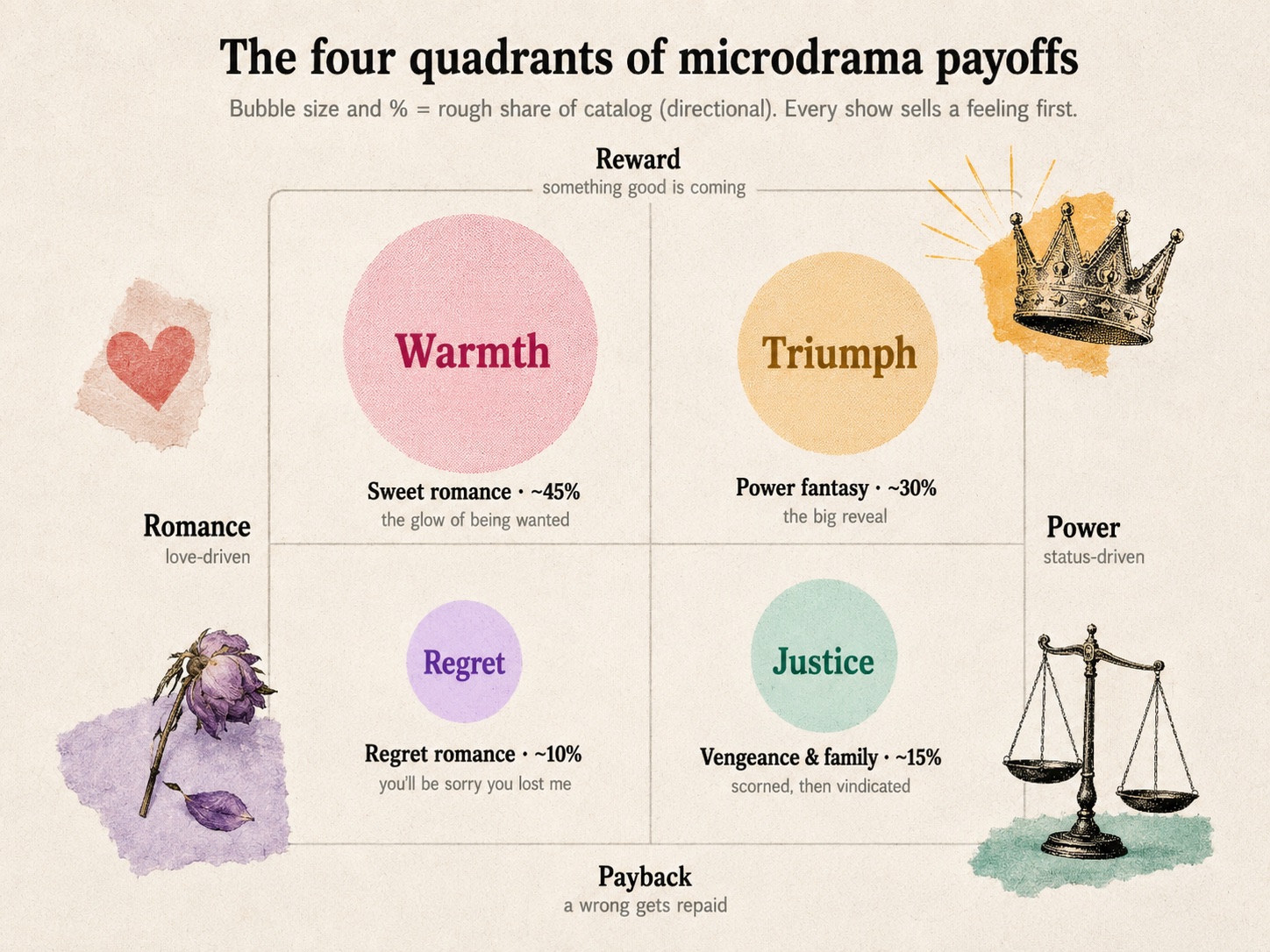
The boxes aren't equal — and that inequality is the most important thing on the page. The whole market clusters in the top-left. We'll come back to why.
The feeling it sells: warmth. The uncomplicated glow of being wanted.
This is the clearest, easiest, and biggest payoff in the business — and it's the one that travels best to Western audiences. Billionaire falls for the ordinary girl. Rejected omega turns out to be the Alpha's fated mate. The ice-cold Mafia Boss melts for exactly one person.
Western titles living here: Spark Me Tenderly (My Drama), Found a Billionaire Husband by Christmas (Reelshort), Forbidden Desires: Alpha's Love (ShortMax).

On screen right now: Off Campus — the most-wanted hockey star falls for the ordinary scholarship student he was only supposed to tutor.

Why it wins: its emotional promise is the purest and most universal of the four — being loved and chosen sits close to a basic human need, so it's the easiest to understand and the one that travels across every market. It asks the least of the viewer and offers the most legible payoff, which makes it the safest bet a platform can make.
The feeling it sells: anticipation of the reveal. The delicious wait for the moment everyone finds out who they were really dealing with.
The engine here is dramatic irony you can taste. The hero starts humiliated — fired, dumped, looked down on — then rises fast, and returns to the people who mocked them while those people still have no idea. You're not tapping to see the hero suffer; you're tapping for the second the mask comes off. Disgraced heiress reveals she owns the company. "Poor" son-in-law is secretly the city's most powerful man.
This is also where male-oriented microdrama lives — almost entirely. War-god returns, underdog cultivator, secret-tycoon revenge. It matters because male viewers, by and large, aren't spread across the other three quadrants — they concentrate here. If you want the male audience, this is the box you're playing in.
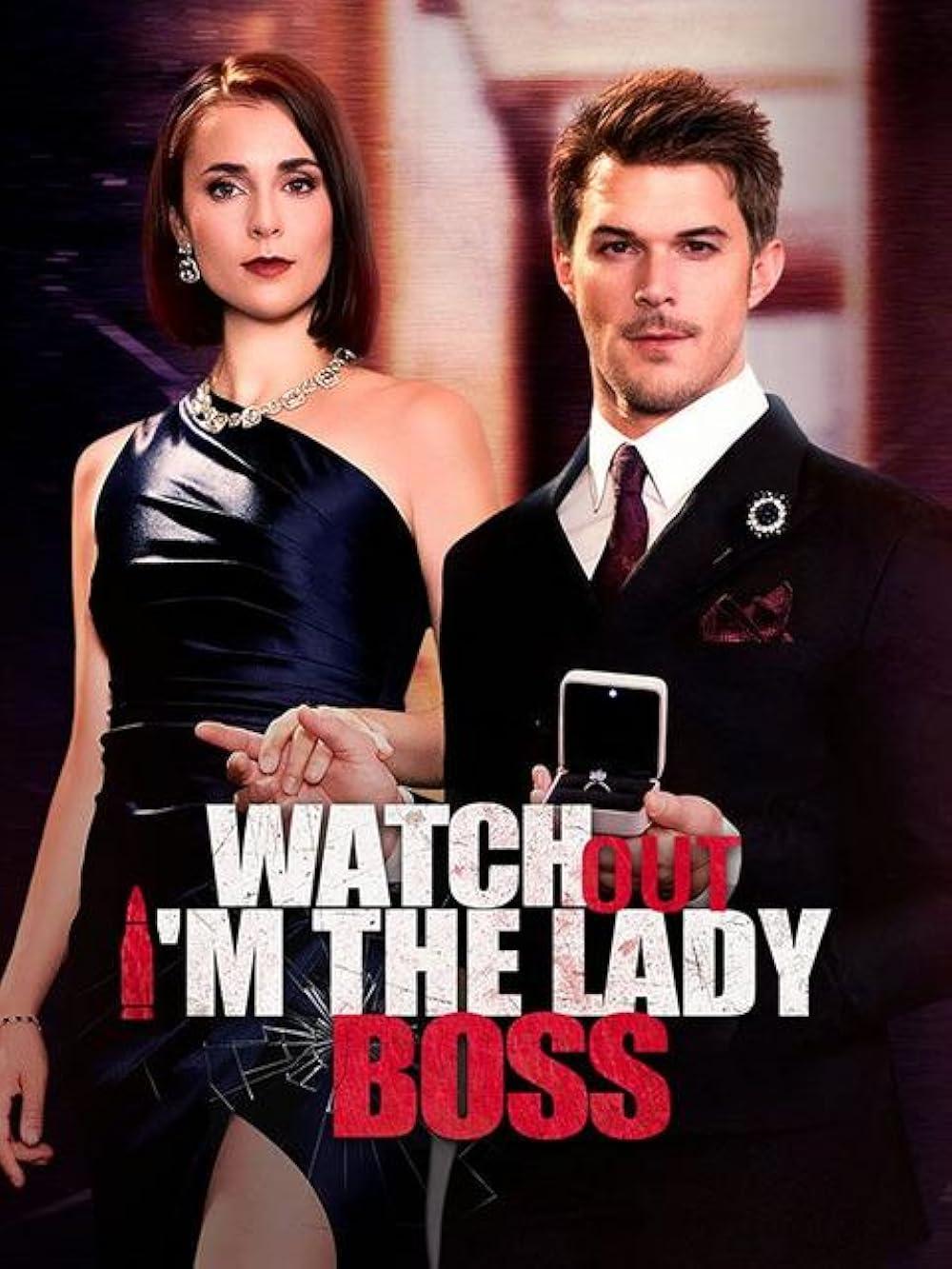
Western titles living here: Watch Out, I'm the Lady Boss (DramaBox), American Sniper: The Last Round (Reelshort).
On the big screen: Edge of Tomorrow — a useless coward everyone writes off dies and respawns his way from cannon fodder to the single most capable soldier alive. It's leveling-up as a movie: the pure thrill of watching a nobody grind into someone you'd never dare underestimate.

Why it wins: if sweet romance answers the need to be loved, power fantasy answers the need one level up on Maslow's hierarchy — the need for esteem, status, and recognition. And it keeps you hooked on pure anticipation: the entire pleasure lives in something good is coming — the promise of the reveal, dangled just out of reach.
The feeling it sells: moral justice. The world has a ledger, and you stay to watch it balance.
The engine is a violated sense of fairness. The show deliberately provokes you — someone with undeserved power mistreats someone who doesn't deserve it — then promises the scales will tip back. You're watching an injustice, and you keep tapping for the moment it's set right and the guilty are made to feel it.
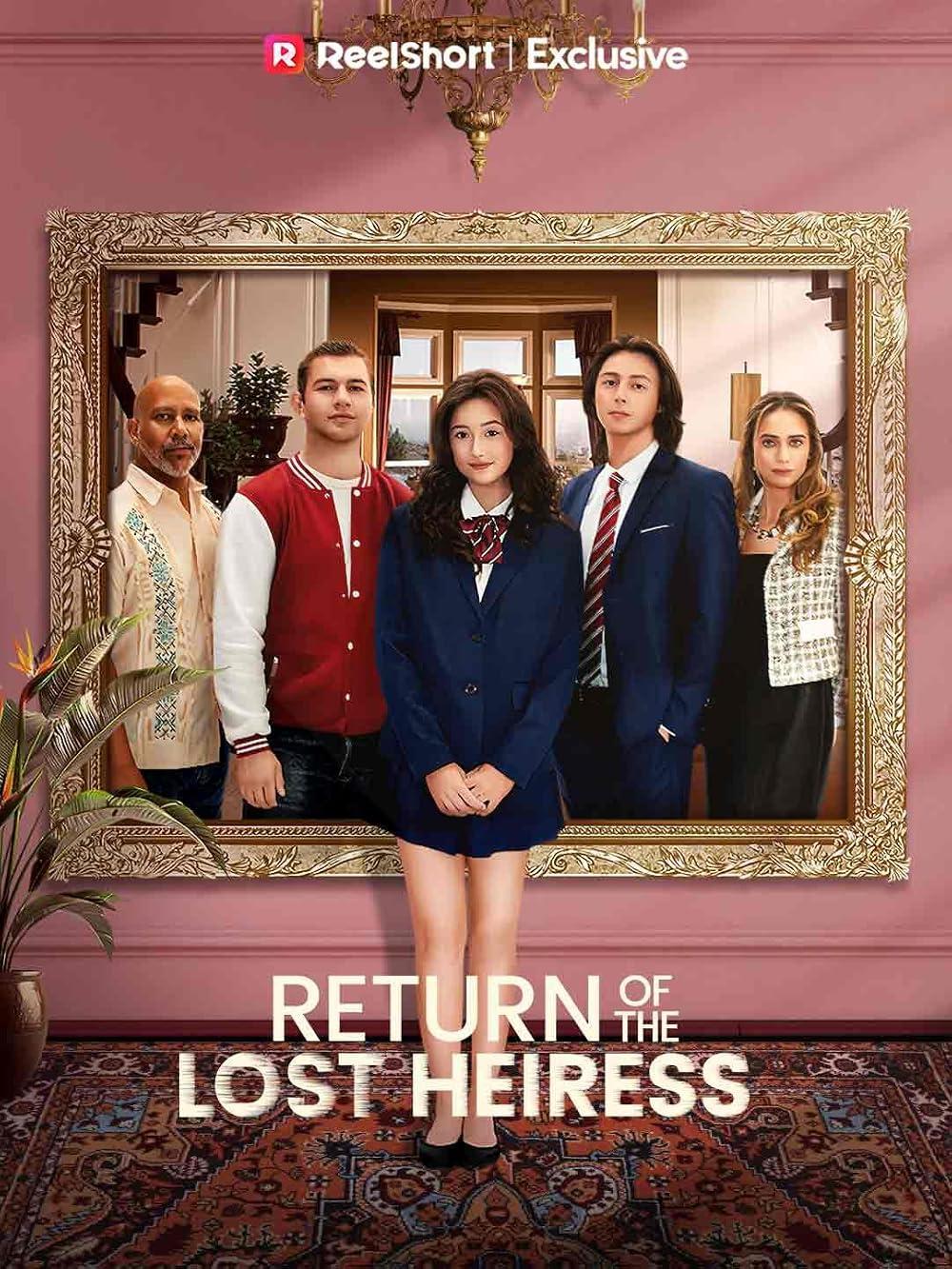
Western titles living here: Return of The Lost Heiress (Reelshort), Don't Mess with My Mother-in-Law! (NetShort).
On your feed: Dhar Mann Studios — a billions-of-views empire built on one beat: someone with power mistreats someone who doesn't deserve it, then karma lands and the wrong is set right. Pure Quadrant 3, at industrial scale.
The feeling it sells: being owed. Not the pain itself — the promise that the person who wronged you will realize what they lost.
This quadrant hooks through the anticipated repayment, where the cold husband finally grovels, the ex who realizes too late. The viewer isn't there to hurt; they're there to be vindicated.
Everyone has been wronged, overlooked, or misunderstood at some point, and quietly wished the person who did it would someday realize how wrong they were. Regret romance takes that universal ache and promises to pay it back in full. You're not tapping for the heartbreak; you're tapping for the moment you've wanted in your own life — when the one who let you down finally understands what they lost.
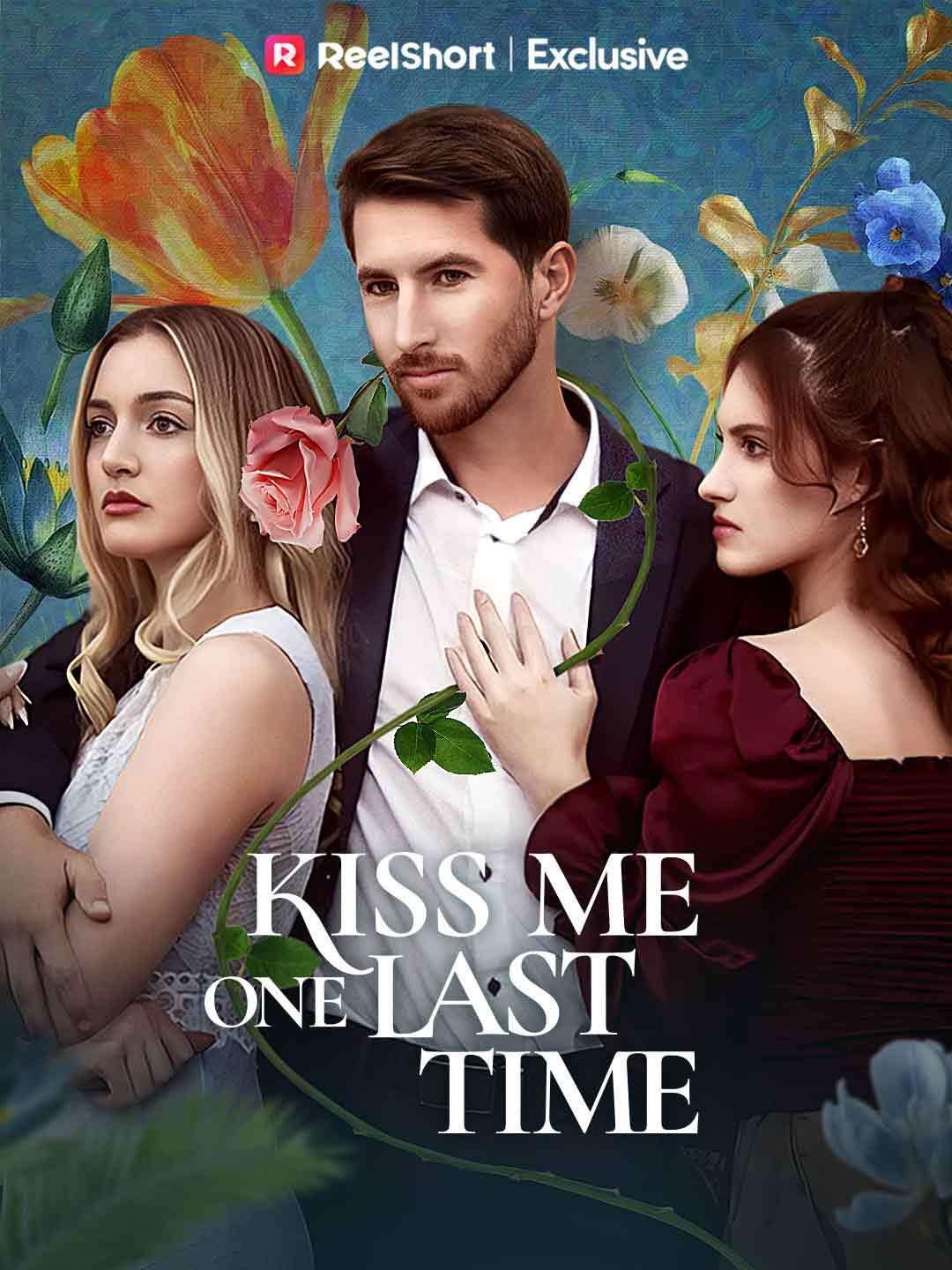
Western titles in the neighborhood: Kiss Me One Last Time (Reelshort).
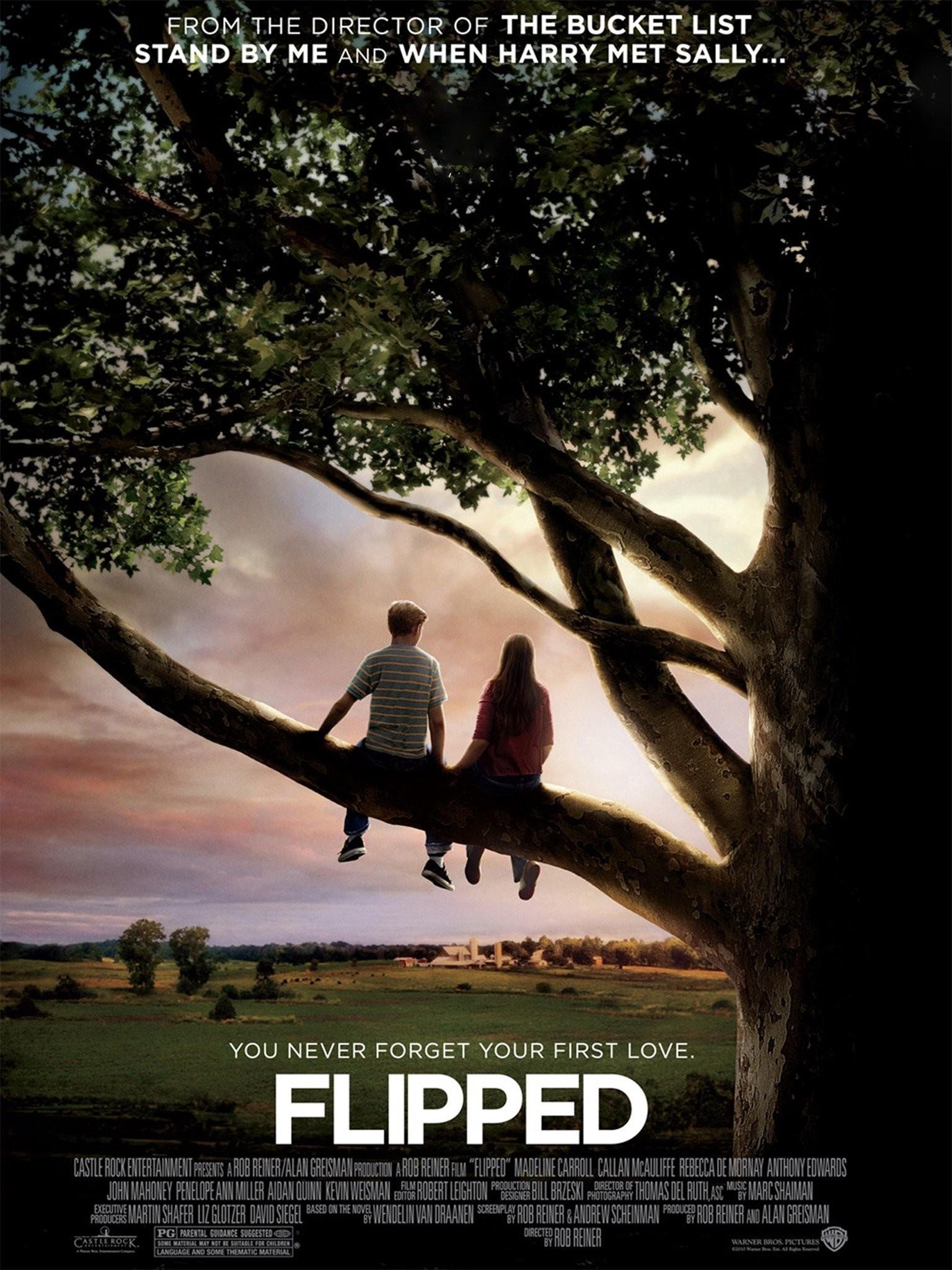
On the big screen: Flipped — the boy who spent years dismissing her only realizes what she's worth once she's stopped waiting, and has to win her back.
Two of these quadrants (top row) pull you with reward — love and triumph. Two (bottom row) pull you with payback — regret and justice. And notice the "someone owes me" engine isn't trapped in one box: it powers both regret romance (Q4) and the non-romance family dramas (Q3). The only difference is whether the debt is romantic.
But here's the thing the map makes obvious: the market doesn't sit in the middle. It piles into the top-left. Sweet romance is the biggest category almost everywhere, and it's growing.
Our take: rage-bait and grievance can absolutely hook people — sometimes harder, in the moment, than sweetness can. But most people, most nights, don't want to be furious or heartbroken. They want to feel good. Negative emotions are a powerful accelerant; positive ones are the fuel that keeps an audience coming back. Bet your slate accordingly.
Stop greenlighting plots. Start greenlighting feelings. Decide which of the four payoffs you're selling — warmth, the reveal, the reckoning, or being owed — then pick the werewolf or the billionaire to carry it. In a feelings business, the emotion is the product. The plot is just the packaging.
Sources: Filmustage · C21 Media · The Ankler · Variety · Jiemian
The four core microdrama payoffs are warmth, the reveal, the reckoning, and being owed. They map to romance or power on one axis, and reward or payback on the other.
Romance microdramas perform well because they offer a clear emotional reward: being loved, chosen, and protected. That promise is easy to understand, travels across markets, and fits the fast payoff rhythm of vertical drama.
Creators should use the framework before choosing plot details. Decide which emotional payoff the audience is buying, then choose the genre, character setup, and cliffhanger structure that deliver that feeling consistently.
A practical guide to microdrama monetization models, comparing ad-supported viewing and coin-based in-app purchases so creators can match revenue strategy to story genre, audience, and market.

Plot Party Studio is an agent-native workbench for long-form AI drama. Brief the agent, and it writes scripts, casts characters, generates every clip, scores the cut, and files each result into a tree you can open, edit, and reuse. Here is how the three-column workbench, the six tools, skills, memory, and credits work.

Plot Party MCP turns your AI agent into a director. Connect one URL to Claude, ChatGPT, Cursor, or Codex and generate character sheets, nine-grid variations, Seedance 2.5 and Kling 3.0 clips, dialogue, and music without leaving the chat. Setup, tools, a step-by-step episode workflow, and FAQ.
Turn your ideas into AI-generated microdramas. No filmmaking experience required.